

If you’re planning to take the Praxis exam, it has likely already been explained how important passing your chosen exam is. Administered by the Educational Testing Service (ETS), these exams serve as one part of the certification process for teaching in a majority of the states. The one nagging question might be: are Praxis practice tests accurate?
The good news is there are comprehensive practice tests that mirror the real exam. We’ll explain why you should use these preparatory tools, and prepare you for the upcoming Praxis tests.
Are Praxis Practice Tests Accurate?
Are Praxis practice tests accurate? The truth is that finding a reliable Praxis practice test may be what makes or breaks your score. By engaging in a practice test, you can use it to test gaps in your knowledge and get yourself accustomed to the time limit and structure of the actual exam.
Finding a reliable Praxis practice test is step one. Once you have a practice test from a reliable source, you’ll have an idea of what the real exam will look like. These tests mimic the format of the actual Praxis exams, so find practice tests developed by educational organizations.
It's advisable to engage with these practice exams frequently throughout your study period. Regular practice allows you to gauge your readiness and identify areas needing improvement. By timing your practice sessions, you also enhance your ability to manage the allotted time effectively during the actual test.
Praxis Practice Test Format
All Praxis exams are delivered through a computer-based format. Candidates can take these tests at authorized centers globally, and some exams are also available for online proctoring at home. The design of the Praxis practice tests closely mirrors that of the actual exams, ensuring test-takers experience the test conditions they will face on exam day.
Questions To Expect
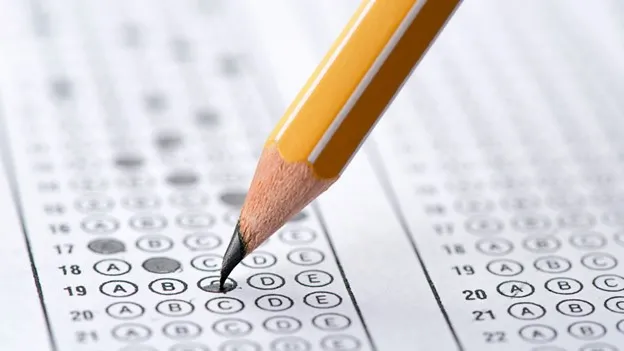
In the Praxis exams, you'll encounter primarily selected-response questions, such as multiple-choice or numeric entry, which are common across most test sections. For example, in the Praxis II Middle School Mathematics exam, you might have to type in your answers for certain math problems.
Expect constructed-response questions where you’ll need to write detailed answers. Essays or short-answer questions test your ability to organize thoughts and communicate them clearly under timed conditions. The balance of question types is designed to assess both quick problem-solving skills and in-depth knowledge.
Exam Duration
The duration of Praxis tests varies significantly depending on the specific exam you are taking. Tests typically range from one to four hours. If an exam includes multiple subtests, each section will have its own separate time limit, which requires effective time management skills during the test. The total time spent at the testing center is longer than the exam itself because it includes initial check-in, filling out background information, and going through a tutorial on how to use the testing software. Always plan to arrive early and expect to stay a bit longer than the test time suggests.
Praxis Practice Test Scoring
Understanding how the Praxis test is scored can help you prepare effectively. The scoring system used for the actual Praxis exams is mirrored by the Praxis practice test, providing consistency across your preparation and actual test experience.
Raw Score
For tests consisting only of selected-response (SR) questions, your raw score is simply the number of questions you answer correctly. In mixed exams, which include both SR and constructed-response questions (CRQs), the score is a sum of your SR answers and the ratings from your CRQs. These scores are sometimes adjusted to reflect the difficulty level of specific questions.
Unofficial Score
Immediately after completing a Praxis practice test, you receive an unofficial score. This score gives you a quick view of your performance based on the ratio of correct answers. While this score is not final, it is a reliable indicator of how well you understood the material and managed the exam’s challenges.
Official Score
The official score is calculated in a manner similar to the unofficial score but includes adjustments for any variations between different forms of the test. Official scores may also be scaled to balance out any discrepancies from test center issues or scoring errors, although these are rare. Official results are typically very close to the unofficial scores, providing a consistent measure of your capabilities.
Praxis Practice Test Passing Score
It's crucial to understand the scoring to gauge your readiness even when taking a Praxis practice test. Scores on the Praxis are reported on a scale from 100 to 200. To pass, most candidates need to score between 150 and 160, though this can vary. Each specific Praxis exam has its own set scoring criteria, which reflect the different content standards and difficulty levels.
To ensure you are on target, always check the required passing score for the specific Praxis test you plan to take. These scores are standardized to fit within the 100-200 point range, making it straightforward to understand where you stand.
Praxis Scoring Policies
When you take a Praxis practice test, it's important to know how your scores and personal information are handled. Scores and personal data are kept secure and are not shared without authorization. The only exceptions are for anonymous research, legal requirements, or if an accredited institution requests them.
Score Integrity
The integrity of Praxis practice test scores is taken very seriously. Each score is carefully checked to ensure it is fair and accurate. If any irregularities are found, such as mismatches in identification or signs of misconduct, the scores may be canceled. Educational Testing Service (ETS), which administers the Praxis tests, has strict rules to prevent and address any issues that might compromise the test's integrity.
Cancellation and Retest Options
At the end of your Praxis test, you have the option to cancel your scores if you believe something went amiss. However, if you decide to cancel your scores, be aware that you cannot get them back, you won't receive a refund, and you won't be able to report these scores to institutions or agencies. If you leave the test early, your scores are automatically canceled. This option ensures that you have control over your test results and can retake the test if necessary to improve your scores.
Free Vs. Paid Praxis Practice Test
When preparing for the Praxis exams, candidates often ponder, "Are praxis practice tests accurate?" and whether to opt for free or paid versions. Each option has its benefits and downsides, which are important to consider.
Free practice tests are readily accessible and can be a good starting point. They allow you to get a feel for the question formats and the range of content covered on the actual test. However, the quality and accuracy of these free tests can vary significantly. They might not always align closely with the exam's standards, potentially leading to gaps in preparation.
On the other hand, paid practice tests usually offer a more comprehensive and detailed simulation of the actual exam. They are typically created by experts familiar with the nuances of the Praxis tests. These tests often include explanations for each question, helping you understand not just what the correct answers are, but why they are correct. This can deepen your understanding and enhance your readiness.
Investing in paid practice tests can seem costly, but the depth and accuracy they provide make them a valuable resource. They help you gauge your readiness more effectively, often leading to better preparation and a higher chance of success on exam day. Exam Edge offers paid practice tests that will help you prepare for your Praxis exam day.
Taking Your Praxis Practice Test
Choosing the right practice test provider for your Praxis practice test is important. Exam Edge stands out as a leading provider of online Praxis practice tests, offering a comprehensive array of tests across various fields, including education. Our practice tests are designed to simulate the actual exam environment, helping you familiarize yourself with the format and types of questions you will encounter. This approach ensures you are not only testing your knowledge but also improving your exam-taking strategies.
Each of our practice tests comes with detailed explanations for both correct and incorrect answers, enhancing your learning and preparation effectiveness. Whether you are aiming for certification in early childhood education, special education, or any other educational field, Exam Edge’s resources provide the essential practice and insights needed to boost your confidence and improve your chances of success on test day.
Blogs related to: Are Praxis Practice Tests Accurate? Here's the Truth