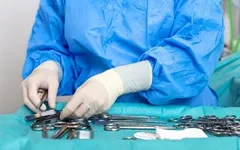



What is the NEA-BC Exam like?
The NEA BC exam is known for its intricate nature covering various key subjects such as leadership, health care delivery, quality and safety, and human capital management. To be eligible to sit for the exam candidates must have worked as a registered nurse (RN) for a minimum of two years out of the five. Additionally, they need to possess either a master's degree in nursing or a bachelor's in nursing coupled with a master's degree in another field. Furthermore, completion of at least 30 continuing education credits within three years prior to taking the exam is required.
Why is Taking the NEA-BC Certification Important?
Similar to any nursing certification exam, acquiring NEA BC certification holds significance as it can lead to career advancement opportunities. Attaining a nursing executive position at a level allows for higher salary potential increased job prospects and responsibilities and the ability to influence the daily operations of your healthcare institution.
With numerous nursing specialties available why choose to pursue the NEA BC certification? Nurse executive certification serves as a choice, for nurses who excel in organization and management skills.
How to Prepare for the NEA-BC?
As we mentioned, the pass rate of the NEA-BC is less than 60%, so it is fair to assert that the test is not easy. However, with the proper study methods, resources, and dedication, Exam Edge can help you enter the top percentage of test-takers.
We offer helpful resources that provide insights into what to know for ANCC exams. For example, there's no penalty for wrong answers (only points added for correct ones), so providing your best guess is a solid strategy.
The most effective way to prepare is by taking plenty of NEA-BC practice tests. These practice exams mimic the real deal in subject matter, number of questions, style of questions, and time constraints (if you decide to do the timed version instead of the untimed one).
Not only does that familiarize you with the exam's content, but it is extremely helpful in crafting your personalized NEA-BC certification review. That's because our NEA-BC practice questions provide explanations for any wrong answers, allowing you to hone in on the areas you need to study harder as well as giving you a clear idea of where you went wrong. Purchase your set of NEA-BC practice exams today and start your path toward nursing administration!
NEA-BC Renewal Process
After you pass the NEA-BC examination and secure your certification, there's still a process that you must go through every 5 years. As you can expect, the renewal process for NEA-BC certification is stringent, as it makes sure that nurse executives remain competent in their role.
The NEA-BC certification renewal involves completing an application that verifies continuous professional engagement and expertise in nursing administration. Remember that renewal applications are expected to be submitted every five years before the certification expiry. The steps to renewing your certification include documenting professional development activities, paying the renewal fee, and submitting evidence of continued practice and leadership in nursing.
Continuing Education and Professional Development
One of the most important aspects to keep in mind for your NEA-BC certification renewal is obtaining a specified number of continuing education units (CEUs). As a nurse executive, you are to earn at least 75 contact hours of continuing education with activities that relate to nursing administration. These hours can be accumulated through workshops, seminars, webinars, or other professional development activities approved by the ANCC.
NEA-BC Renewal Fees and Payment
Next, know that your NEA-BC certification renewal will require payment of a fee. The fee may vary based on membership status with the American Nurses Association (ANA) or other professional nursing organizations. Generally, the fee for ANA members is reduced. It's helpful to heck the latest fee structure on the ANCC webpage and can pay through various methods including credit cards or checks. Financial assistance or fee reductions may be available for eligible candidates facing financial hardship.
Documenting Practice Hours for NEA-BC Renewal
NEA-BC candidates must document a minimum of 1,000 practice hours in an executive nursing role. These hours must be validated by the employer or a professional peer who can attest to the executive’s role and responsibilities. Proper documentation involves keeping detailed records of dates and types of activities performed, which must directly relate to nursing leadership and management tasks.
Renewal Application and Documentation
When applying for NEA-BC renewal, you are expected to submit an application that includes all required documentation. This comprises proof of required CEUs, documented practice hours, a current resume, and a copy of an active RN license. All documents must be properly organized and submitted either via the online portal or by mail prior to the certification’s expiration date to ensure the review process is uninterrupted.
Audit Process for NEA-BC Renewal
To maintain the integrity of the certification, the ANCC may select a percentage of renewing applicants for an audit. If you are selected, you must submit additional documentation supporting your required CEUs and practice hours claimed. Remember to keep comprehensive records of all activities and documents submitted in case you are chosen for this review process.
Troubleshooting Common Issues in Renewal
During the renewal process, you may face challenges like expired certifications or incomplete CEUs. It's advisable to start renewing ahead of the deadline as per ANCC guidelines allowing renewal up to a year, before expiration. Renewing your NEA BC certification on time is crucial to prevent any issues with practicing eligibility.
If your certification has lapsed, regaining credentials might require completing CEUs or retaking the certification exam.
Make sure you stay up to date with all deadlines and requirements to avoid any problems and ensure the recertification process goes smoothly. Don't forget it's up to you to keep an eye on your renewal date and send in the required paperwork promptly.
Related Practice Tests
 ANCC Nurse Executive - Advanced
Blogs related to: NEA-BC Certification Renewal Guide: Advance Your Nursing Career






Becoming a Family Nurse Practitioner (FNP) is a challenging yet rewarding career path. It requires advanced education, extensive clinical experience, and successful completion of a certification exam. There are two nationally recognized organizations that offer certification exams for FNPs: the American Nurses Credentialing Center (ANCC) and the American Association of Nurse Practitioners (AANP). In this blog, we will discuss the differences between these two exams, which certification is most looked for in the industry, and the best way to prepare for the exam.